Common Causes of Damage in Commercial Stamped Concrete Surfaces
People searching for commercial stamped concrete repair often want to address damage caused by heavy traffic, weather, or improper installation, and local contractors can help restore and protect their surfaces.
Understanding the common causes of damage in commercial stamped concrete surfaces is essential for property owners who want to maintain the appearance and functionality of their outdoor spaces. Over time, factors such as heavy traffic, exposure to harsh weather conditions, and improper installation can lead to cracks, surface deterioration, or color fading. Recognizing these issues early can help prevent more extensive damage and preserve the integrity of the stamped concrete. Local contractors specializing in stamped concrete repair are equipped to assess these problems and recommend practical solutions to restore surfaces back to their original condition.
For property owners in the area, exploring the causes of damage in commercial stamped concrete surfaces is a proactive step toward protecting their investment. Damage often results from a combination of environmental stressors and daily use, making professional repair services a valuable resource for addressing issues before they worsen. Local service providers can offer tailored repair options that address specific types of damage, helping to extend the lifespan of stamped concrete surfaces and maintain their aesthetic appeal. Keep reading to learn more about how these common issues develop and what local experts can do to help keep commercial stamped concrete surfaces in top shape.
- Cracking and Spalling - when concrete experiences freeze-thaw cycles or heavy loads, local contractors can perform repairs to restore integrity.
- Surface Wear and Fading - exposure to foot traffic and weather can cause surface deterioration, with service providers offering resurfacing and sealing solutions.
- Staining and Discoloration - spills, chemicals, or UV exposure may lead to discoloration, which local pros can address through cleaning and color restoration.
- Uneven Surfaces - ground movement or improper installation can create unevenness, with experts providing leveling and corrective work.
- Efflorescence and Water Damage - moisture infiltration can cause white deposits or damage, with service providers offering cleaning and waterproofing treatments.
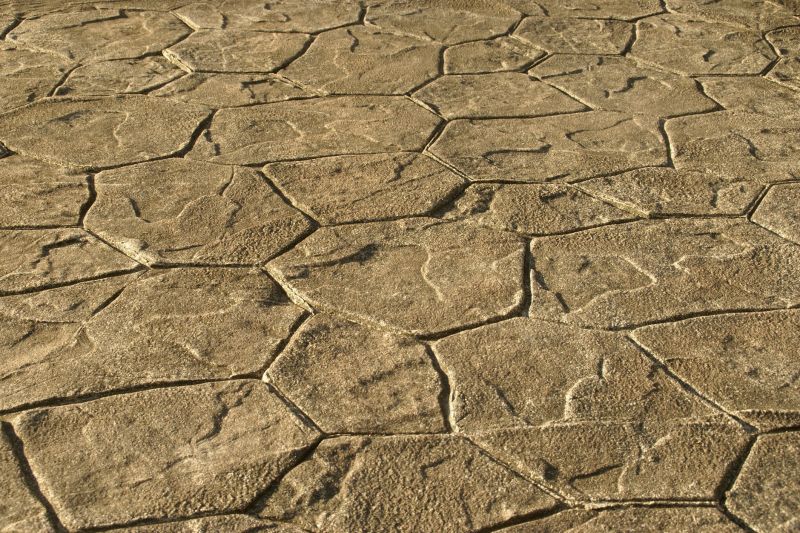
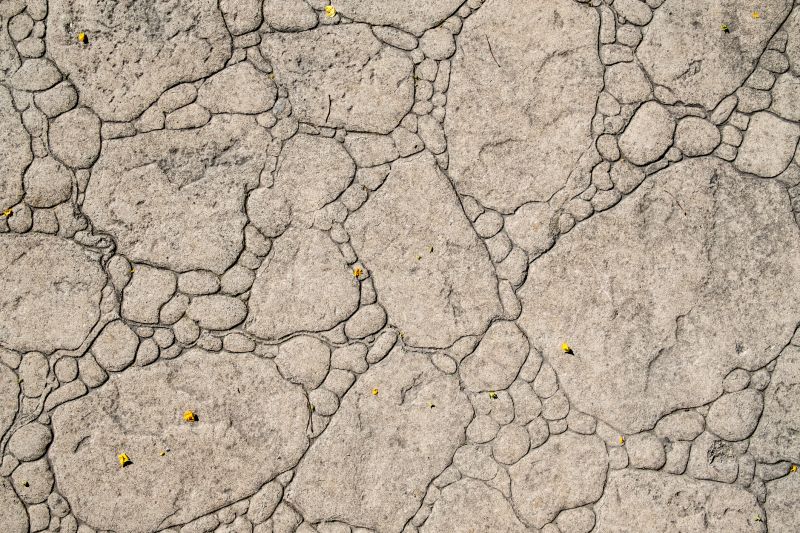
When searching for information on common causes of damage in commercial stamped concrete surfaces, property owners often want to understand why their investment may be deteriorating or developing issues. This topic relates to problems that can compromise the appearance, safety, and longevity of stamped concrete used in various commercial settings. It’s especially relevant for those planning repairs or preventative measures, as understanding the root causes helps in making informed decisions about maintenance and restoration. Commercial properties such as retail centers, office complexes, restaurants, and industrial facilities frequently feature stamped concrete for walkways, patios, or decorative accents, making it important to recognize what factors can lead to damage over time.
One of the primary issues linked to damage in commercial stamped concrete surfaces is exposure to harsh environmental conditions. Freeze-thaw cycles, moisture infiltration, and temperature fluctuations can cause the surface to crack, spall, or delaminate. When water seeps into tiny pores or cracks, it expands as it freezes, exerting pressure that weakens the concrete’s structure. This process can lead to surface scaling or widespread cracking, which can compromise the surface’s integrity and aesthetic appeal. Local contractors experienced in stamped concrete repair can assess these environmental impacts and recommend appropriate sealing or restorative solutions to prevent further deterioration.
Another common cause of damage involves improper installation or finishing techniques. If the concrete isn’t mixed, poured, or cured correctly, it can develop surface imperfections that worsen over time. For example, inadequate curing can lead to weak spots, while improper stamping or sealing can leave the surface vulnerable to wear and tear. Over time, foot and vehicle traffic can exacerbate these issues, resulting in surface spalling, unevenness, or loss of decorative detail. Property owners should work with experienced service providers who understand the nuances of stamped concrete installation and repair to address these problems effectively and restore the surface’s original look and function.
Lastly, chemical exposure and heavy loads are significant contributors to damage in commercial stamped concrete surfaces. Spills of de-icing salts, oil, or other chemicals can break down the surface’s sealant and cause staining or surface deterioration. Additionally, heavy equipment or frequent vehicular traffic can exert excessive stress on the concrete, leading to cracking or surface failure. Proper maintenance, including timely cleaning and sealing, can help mitigate these issues, but when damage occurs, local contractors specializing in stamped concrete repair can evaluate the extent of the harm and recommend suitable restoration options. Understanding these common causes helps property owners protect their investment and ensures that repairs are targeted and effective.
Parking lot renovation projects involve extensive surface preparation and finishing techniques similar to stamped concrete surfaces, requiring local contractors skilled in surface repairs and protective coatings.
Commercial sidewalk installation projects demand precise surface leveling and finishing, aligning with the skills needed to address common damage causes in stamped concrete areas.
Industrial flooring upgrades require understanding of concrete durability and repair methods, which are applicable when dealing with damage in stamped concrete surfaces.
Outdoor patio construction projects involve decorative concrete techniques and surface protection, paralleling the skills used in repairing stamped concrete damage.
Driveway resurfacing services focus on surface integrity and crack repair, similar to addressing common causes of damage in stamped concrete surfaces.
Retaining wall footing projects often require foundation assessment and surface stabilization, which can be relevant when repairing or preventing damage in stamped concrete areas.
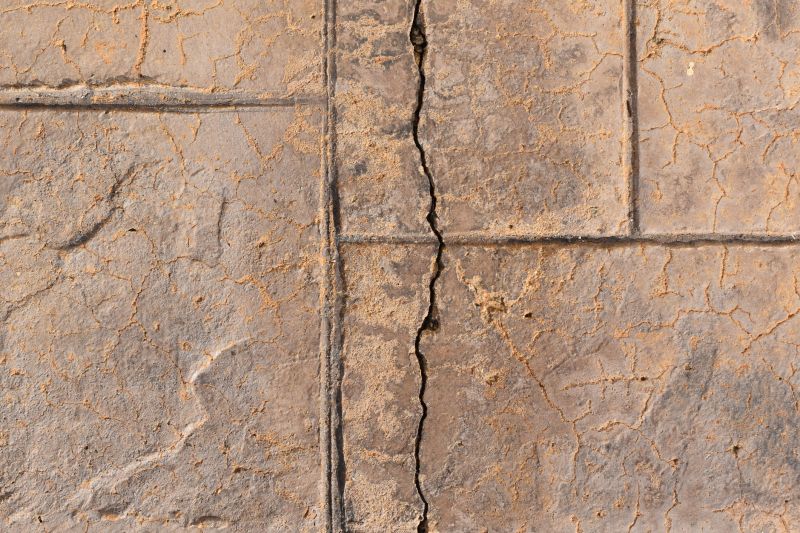
When evaluating commercial stamped concrete repair services, it is important to consider the experience of local contractors with similar projects. Contractors who have worked extensively with stamped concrete surfaces are more likely to understand the unique challenges posed by common causes of damage, such as surface cracking, spalling, or color fading. An experienced service provider can offer insights into the specific issues that tend to arise in commercial settings and demonstrate familiarity with effective repair techniques. This background can help ensure that the repair work addresses the root causes of damage and results in a durable, long-lasting solution.
Clear written expectations are essential when comparing local service providers for stamped concrete repairs. A reputable contractor should be able to provide a detailed scope of work, outlining the steps involved in repairing common issues like surface deterioration or structural cracking. This documentation helps clarify what the repair process entails and sets realistic expectations for the outcome. Transparent communication about the scope, materials, and methods used ensures that homeowners have a clear understanding of what to expect, reducing potential misunderstandings or disputes later on.
Reputable references and good communication are key factors in selecting the right local contractor for stamped concrete repair. Service providers with a history of satisfied clients or positive references can offer reassurance about their reliability and quality of work. Additionally, contractors who communicate clearly and promptly-whether through phone, email, or in-person discussions-demonstrate professionalism and a commitment to customer service. Effective communication helps homeowners express their concerns about damage causes and ensures that the contractor can tailor the repair approach accordingly, leading to a smoother project experience and a more satisfactory result.
Property owners often search for common causes of damage in commercial stamped concrete surfaces when they are planning practical projects around their homes and businesses. Local pros provide Commercial Stamped Concrete Repair services for everyday jobs and straightforward project options.
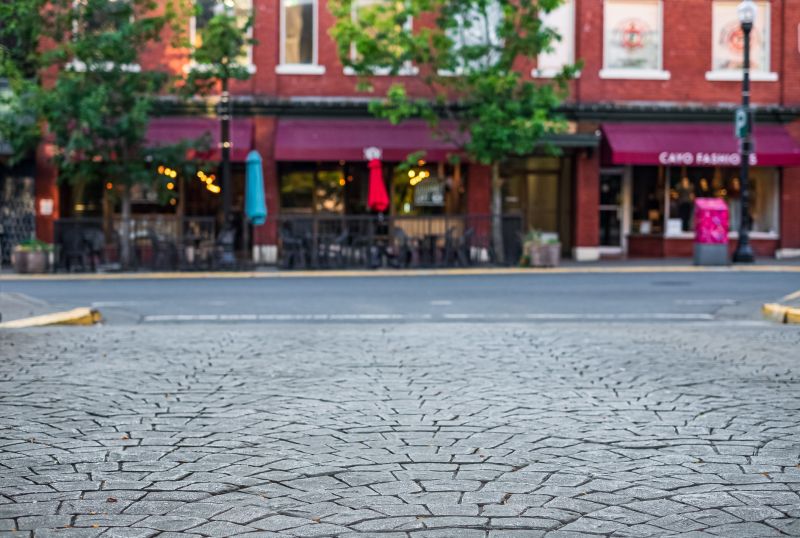
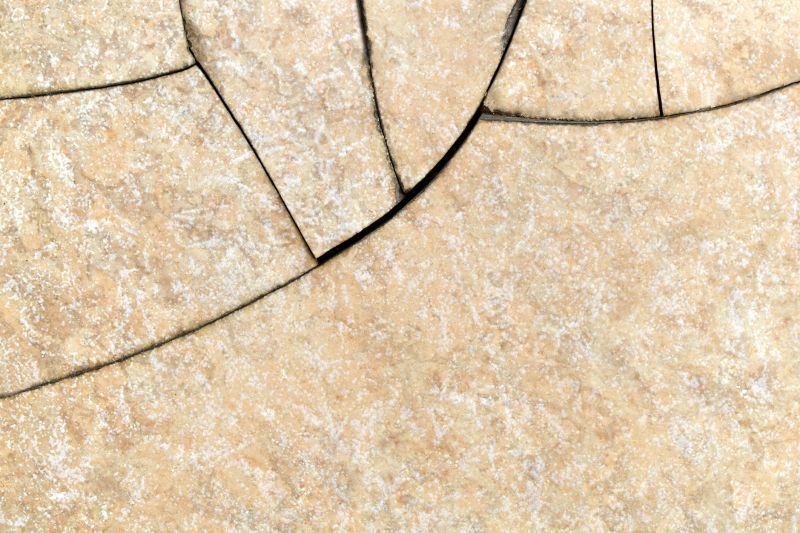
Understanding the common causes of damage in commercial stamped concrete surfaces can help property owners recognize issues early and seek appropriate repairs. Everyday project situations, such as heavy foot traffic, frequent vehicle movement, or exposure to harsh weather conditions, can accelerate wear and lead to surface cracking, chipping, or surface deterioration. Additionally, improper installation or inadequate sealing can make stamped concrete more vulnerable to staining, surface erosion, and moisture intrusion, which may result in more extensive damage over time.
Property owners in the area often look into commercial stamped concrete repair services when they notice signs of surface damage or deterioration. Local contractors experienced in stamped concrete repair can assess the extent of the damage caused by common issues like surface scaling, cracking, or uneven settling. Addressing these problems promptly helps restore the appearance and functionality of the stamped concrete, preventing further deterioration and maintaining the property's overall appeal.
What are common causes of damage in commercial stamped concrete surfaces? Common causes include improper installation, exposure to harsh weather conditions, and heavy traffic that can lead to cracking or surface deterioration. Local contractors experienced in stamped concrete repair can assess and address these issues effectively.
How does weather affect stamped concrete surfaces? Extreme temperatures, freeze-thaw cycles, and excessive moisture can cause cracking, spalling, or surface scaling. Local service providers can perform repairs and recommend protective measures to prevent further damage.
Can heavy loads or traffic cause damage to stamped concrete? Yes, excessive weight or frequent heavy traffic can lead to surface cracking or structural stress. Local pros can repair and reinforce damaged areas to restore the surface’s integrity.
What role does improper sealing play in damaging stamped concrete? Inadequate or incorrect sealing can allow moisture penetration and surface wear, accelerating damage. Local contractors can apply proper sealing and perform repairs to improve durability.
Are chemical spills a common cause of damage in stamped concrete surfaces? Yes, spills of harsh chemicals or de-icing salts can erode the surface and cause staining or deterioration. Local pros can clean, repair, and reseal affected areas to maintain the surface’s appearance and strength.
Heavy equipment placement - Proper planning can prevent damage caused by heavy machinery that may crack or gouge stamped concrete surfaces during commercial projects.
Poor drainage management - Ensuring proper slope and drainage helps avoid water pooling that can weaken the concrete and lead to surface deterioration.
Inadequate curing and sealing - Consulting local contractors about proper curing and sealing techniques can extend the lifespan of stamped concrete and reduce surface damage.
Exposure to harsh chemicals - Protecting stamped surfaces from chemical spills and using appropriate cleaning methods can prevent staining and surface breakdown.
If you are thinking about common causes of damage in commercial stamped concrete surfaces for a property, this guide is meant to help you understand this topic, the typical project types, and how different options might fit your plans.
When you are ready, you can use the quote form on this page to share a few details about your project. From there, local pros can review the basics and follow up with options that match what you have in mind.